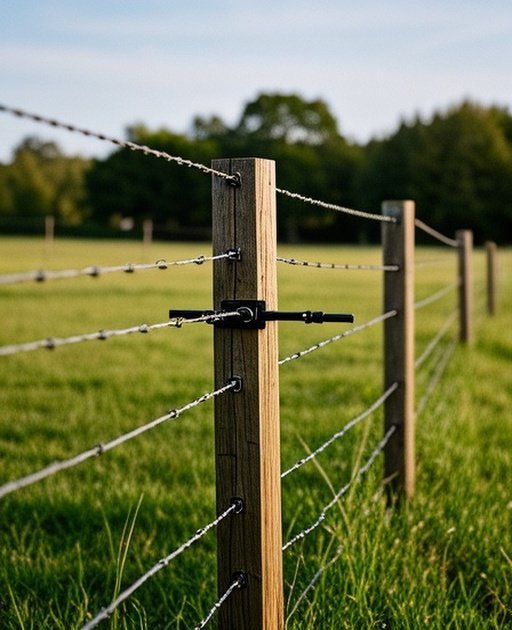
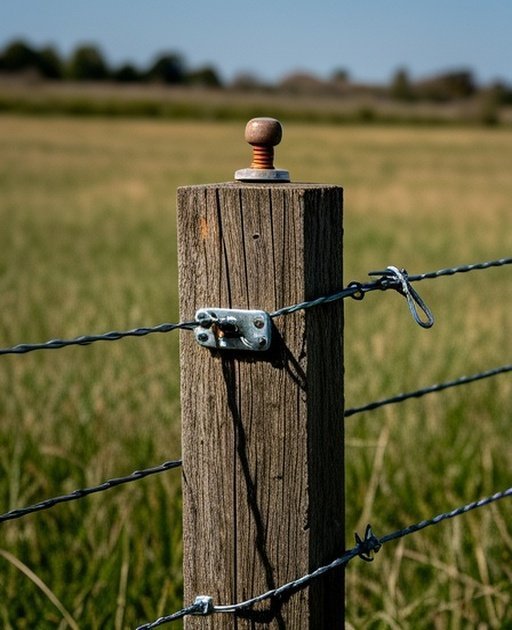
Cattle fencing requires strong, durable materials that withstand significant livestock pressure while providing cost-effective containment across large acreages. This comprehensive guide covers best fencing for cattle including wire types, material comparisons, and system selection based on herd size and management style. Understanding proper cattle fence height, wire spacing for cattle, and cost considerations helps ranchers and small farm operators make informed decisions. Whether managing beef cattle, dairy operations, or implementing rotational grazing systems, proper fence design prevents escapes, reduces maintenance costs, and ensures long-term reliability across varying terrain and climate conditions.
The best cattle fencing balances containment strength, cost, and longevity. For cow-calf operations, a 4-strand barbed wire fence with 54–60 inch height remains the most widely used system in North America — proven over decades, inexpensive to install, and respected by cattle once trained. High-tensile smooth wire with electric is the modern alternative, offering lower long-term cost and no injury risk from barbs, though it requires proper energizer sizing and regular maintenance checks.
Woven wire (no-climb or fixed-knot field fence) adds predator exclusion capability that barbed wire cannot match, making it the preferred choice for operations with coyote or dog pressure. A top strand of barbed or electric wire above woven wire keeps cattle from pushing down the fence from above. For beef operations on large acreage, high-tensile electric is often the most economical at $1.50–$3.00 per linear foot, compared to $2.50–$4.50 for barbed wire and $4–$8 for woven wire installed.
Recommended fence height for cattle
Standard beef cattle fencing requires a minimum height of 48 inches, but 54 inches is the practical target for most mature cow-calf herds. Bulls require 60 inches minimum — a motivated bull can push through anything shorter, especially during breeding season. Wire placement matters as much as total height: the bottom strand should sit no higher than 8 inches from the ground to prevent calves from crawling under, and strands should be spaced 8–10 inches apart to prevent leg entrapment.
Dairy operations often use lower fences (42–48 inches) because dairy breeds tend to be more manageable and respect fence boundaries more consistently than beef breeds. Cross-fencing that separates paddocks within a property can use lighter-duty 3-strand configurations at 48 inches since cattle on both sides create mutual deterrence. Always use braced corner posts and H-braces at every change in fence direction — a well-built corner holds the entire fence line under tension.
Is barbed wire safe for cattle?
Barbed wire is generally safe for cattle when properly installed with correct strand spacing and tension. Cattle have thick hides and typically learn to respect barbed wire quickly after one or two encounters. The primary injury risk comes from improper installation: loose wire that cattle can get legs caught in, strands too close together creating entrapment gaps, or single-strand configurations that don't deter determined animals. Standard 4-point barbed wire on 12.5-gauge wire is the appropriate specification — lighter gauges stretch and sag.
Never use barbed wire for horses, which panic when caught and inflict severe self-injury. For cattle operations where horses share pastures, substitute high-tensile smooth wire with electric offset strands. In situations where cattle frequently test fences — particularly bulls or heifers near bulls — adding electric offset strands inside barbed wire perimeters dramatically reduces fence pressure and damage.
Electric fence vs barbed wire for cattle
Electric fence outperforms barbed wire on cost per foot, longevity, and safety, but requires more active management. A properly energized high-tensile electric fence with 2–4 smooth wire strands costs 40–60% less than equivalent barbed wire to install, and the wire itself lasts 25–30 years versus 15–20 years for barbed wire. The energizer and ground system require annual inspection and occasional repair, but no re-tensioning or staple replacement as posts shift seasonally.
Barbed wire wins on reliability without power — fence works even during power outages, energizer failures, or when vegetation shorts the fence. Many producers run a combination: physical barbed wire perimeter with electric offset strands inside, giving the reliability of physical containment with the behavioral deterrence of electric. Training cattle to electric before relying on it is essential: walk new animals along an energized fence in a controlled situation so they receive a correction and learn the boundary before you depend on it for containment.
How to fence for rotational grazing
Rotational grazing systems divide pastures into paddocks using cross-fencing, moving cattle through paddocks on a schedule that allows forage recovery between grazing events. The most cost-effective cross-fencing uses portable electric systems: step-in posts, polywire or polytape, and a battery or solar energizer allow paddock boundaries to be reconfigured seasonally as forage patterns change. Permanent perimeter fencing can be heavier-duty while interior divisions stay lightweight and moveable.
Paddock sizing depends on herd size and target grazing days per paddock. A rule of thumb: divide total pasture area by the number of paddocks (typically 8–20 for a full rotation) with each paddock sized for 3–7 grazing days before moving. Water access in each paddock is the most critical infrastructure element — cattle won't graze evenly when water is only available in one corner. Portable water tanks connected to mainline water or filled by trailer are standard solutions for interior paddocks without permanent water infrastructure.
What is the best fencing for cattle?
Cattle fence material selection depends on herd size, budget, terrain, and management intensity.
For the lowest installed cost on large acreage, 4-strand high-tensile electric with T-posts at 30-foot spacing and wooden posts at 150-foot intervals is the standard choice. Expect $1.50–$2.50 per linear foot installed. This system requires an adequately sized energizer (minimum 2 joules output for every mile of fence), proper grounding with 3 ground rods minimum, and annual voltage checks. Cost savings vs barbed wire on a 1-mile perimeter typically run $4,000–$8,000.
Barbed wire is the next-lowest cost option at $2.50–$3.50 per linear foot for 4-strand installed. It requires no energizer or electrical maintenance, works reliably without power, and is immediately effective without training. For tight budgets on large properties, barbed wire perimeters with portable electric cross-fencing for rotational grazing is a proven combination.
If predator pressure is high
Coyote and dog pressure requires upgrading from barbed or smooth wire to woven wire with tight spacing at the base. No-climb horse fence (2×4 inch mesh) or fixed-knot field fence (6-inch spacing) prevents predator entry that strand-wire fences cannot. Adding a single strand of electric fence on the outside at 8 inches from the ground further deters digging predators. This combination — woven wire with outside electric offset — is effective against coyotes in most regions.
For mountain lion, wolf, or bear pressure in western and northern regions, taller fencing (60–72 inches) with multiple electric strands creates a more substantial deterrent. No fence reliably stops a determined bear; livestock guardian dogs combined with adequate fencing provide better protection than fence alone for these predators.
If terrain is uneven or hilly
Hilly terrain requires shorter post spacing (8–10 feet instead of 10–12 feet) on steep slopes to maintain wire tension between ground contours. Fixed-knot woven wire follows terrain better than high-tensile wire, which is difficult to keep tight when the fence line rises and falls significantly. On very steep slopes, stepped fence installation (running fence horizontally across slopes in stepped sections) prevents gaps at low points where terrain dips.
Rocky ground complicates post setting — hydraulic post drivers often can't penetrate more than 18 inches in fractured rock. Rock anchors, concrete footings, or steel pipes driven with a jackhammer are alternatives. Wooden posts on rocky terrain often fail faster than steel because water collects in drill holes. Steel T-posts driven into rock cracks are a practical solution for cross-fencing where permanence is less critical.
If you need low-cost cattle fencing
Budget-conscious ranchers can reduce per-acre costs through strategic material selection, efficient post spacing, and DIY installation approaches.
Proper cattle fence design requires species-specific height and wire spacing parameters that prevent escapes while accommodating different age groups within herds. Fence Height & Spacing guidelines address wire placement intervals, post spacing distances, and overall fence height requirements for mature cattle, growing calves, and breeding stock. Inadequate height allows jumping attempts while excessive wire spacing permits young animals to squeeze through or become trapped. Design specifications must also account for terrain variations where ground level changes affect bottom wire clearance and potential escape routes under fence lines.
Safety Factors for Cattle
Cattle fence safety encompasses injury prevention from wire entanglement, barb punctures, and structural failures that create hazardous situations for livestock. Fence safety for animals evaluates material selection, wire surface characteristics, and tension levels that minimize injury risk during normal herd interaction with boundaries. Barbed wire poses greater hazards than smooth wire alternatives, particularly for dairy breeds and young calves prone to panic responses near fencing. Proper maintenance preventing loose wires, protruding fasteners, and unstable posts significantly reduces accident frequency throughout fence system lifespans.
Cost & Budget Planning
Comprehensive cattle fence budgeting accounts for material expenses, installation labor, ongoing maintenance costs, and eventual replacement intervals across project lifespans. Fence cost and budgeting analysis compares upfront investment in premium materials against long-term savings from reduced maintenance and extended durability. Material costs per linear foot vary dramatically between basic barbed wire systems and high-tensile installations, with electric fencing offering intermediate pricing combined with operational power expenses. Hidden costs including specialized tools, equipment rental, and site preparation work often exceed initial material estimates for large acreage projects.
Installation Complexity
DIY cattle fence installation requires understanding proper techniques for post setting, wire tensioning, corner bracing, and gate installation that ensure long-term structural integrity. DIY fence installation capabilities depend on available tools, physical stamina, terrain challenges, and technical knowledge of tension systems and bracing methods. Professional installation provides guaranteed results but significantly increases total project costs, particularly on large ranches requiring miles of perimeter fencing. Realistic assessment of installation complexity helps determine whether DIY approaches prove practical or whether professional contractors justify their premium pricing.
Legal & Boundary Considerations
Cattle fence installation requires understanding property boundaries, shared fence responsibilities, liability issues, and local regulations affecting fence design and placement. Fence liability and responsibility varies significantly between states with “fence-out” versus “fence-in” legal frameworks that determine landowner obligations. Boundary fence disputes with neighbors often arise from unclear property lines, maintenance disagreements, or damage caused by livestock from adjacent properties. Proper survey work, written agreements, and understanding of local fence laws prevent costly legal conflicts and clarify responsibilities before major fence investments.
Related Fence Systems
Cattle fencing decisions benefit from understanding alternative livestock containment systems and how mixed-species operations affect fence requirements. Goat Fencing addresses dramatically different containment challenges from climbing behavior and smaller body sizes requiring tighter wire spacing than cattle systems provide. Horse Fencing prioritizes safety and visibility over containment strength, with material choices preventing injury from impact or entanglement that differ from cattle-focused designs. Mixed Livestock Fencing provides strategies for containing multiple species with varying size, behavior, and escape tendencies using unified fence systems.
Implementation resources support cattle fence planning from initial design through installation completion. Electric Fence Installation covers specialized techniques for electrified cattle systems including energizer selection, grounding requirements, and training livestock to respect electric boundaries. Fence Planning Basics establishes comprehensive layout strategies, material calculations, and gate placement decisions that optimize cattle fence functionality while controlling project costs.
Frequently Asked Questions
What is the cheapest fence for cattle?
Basic four-strand barbed wire fencing provides the lowest per-foot material cost for cattle containment, typically ranging $1-1.50 per linear foot including posts. Cost-effectiveness depends on longevity expectations, as cheaper materials often require more frequent maintenance and earlier replacement compared to premium alternatives.
How tall should a perimeter fence be?
Perimeter cattle fences should measure 48-54 inches in height for mature beef cattle, with dairy breeds and highly motivated animals requiring heights toward the upper range. Boundary fences warrant additional height margin compared to interior divisions since perimeter breaches create greater escape and liability consequences.
Is electric fencing enough for cattle?
Electric fencing alone effectively contains trained cattle when properly maintained with adequate voltage and regular vegetation control preventing shorts. However, untrained cattle, high-pressure situations near feeding areas, or backup containment concerns often justify combining electric systems with physical wire barriers for reliable long-term security.
What spacing prevents calves from escaping?
Bottom wire placement 12-16 inches above ground level prevents most calves from crawling under fences, with young animals under 3 months requiring the tighter spacing. Additional intermediate wire strands at 8-10 inch intervals provide graduated containment accommodating calf growth while maintaining effectiveness for mature cattle.
How long does cattle fencing last?
High-quality galvanized wire fencing with proper installation typically lasts 25-40 years depending on climate, maintenance frequency, and livestock pressure intensity. Barbed wire may require replacement after 15-25 years, while high-tensile systems often exceed 30 years when properly tensioned and maintained through regular inspection and repair.
Final Recommendations
Cattle fencing success depends on matching system design to specific ranch operations, management intensity, and long-term durability requirements. Commercial beef operations managing large herds across extensive acreages benefit most from high-tensile or barbed wire systems providing cost-effective perimeter security with minimal maintenance requirements. Small farms implementing rotational grazing strategies gain significant advantages from electric fencing flexibility enabling frequent pasture subdivision without permanent infrastructure investment. However, operations facing heavy predator pressure from wolves, bears, or coyotes require enhanced perimeter protection beyond standard cattle containment wire, often necessitating woven wire foundations with electric offset deterrence.
Before finalizing fence design decisions, review comprehensive resources including best fencing for cattle material comparisons, cattle fencing cost breakdowns for accurate budgeting, and fence height and spacing specifications ensuring proper containment across all age groups within your herd. Proper planning prevents expensive redesigns and establishes reliable livestock containment supporting long-term ranch profitability.
Short Answer Cattle do not strictly need electric fencing to be contained. Well-built physical fences such as barbed wire, woven wire, or high-tensile smooth wire…
Short answer Neither is “better” in every situation. Barbed wire is usually the stronger choice for a permanent perimeter fence where you need a physical…