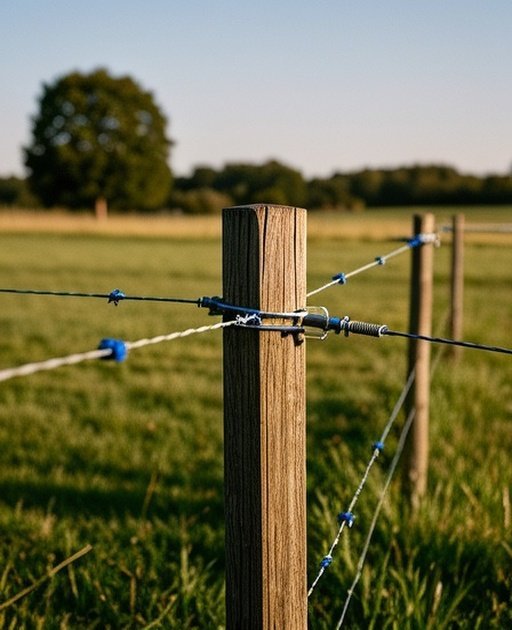
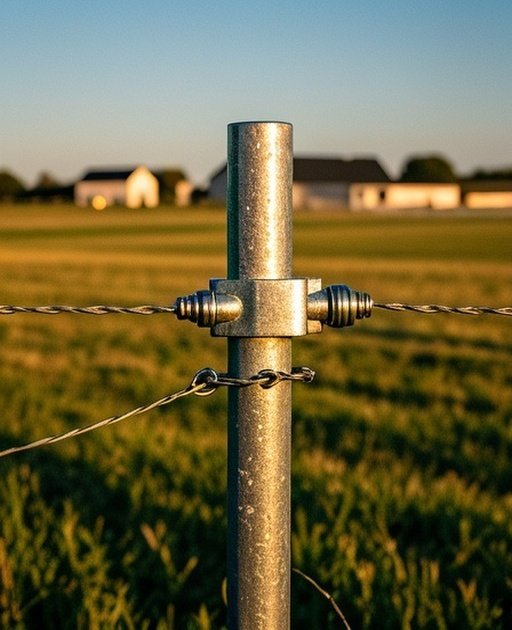
Electric fence chargers, also known as energizers, are the power source behind every effective electric fencing system. Without the correct charger size, grounding design, and voltage output, even the best wire layout will fail to contain livestock or deter predators.
YouTube search queries: “how to choose electric fence energizer for livestock” or “electric fence charger sizing and grounding tutorial”
What This Guide Covers
How Electric Fence Chargers Work
Electric fence energizers (also called chargers or controllers) convert incoming power — AC mains, 12V battery, or solar panel — into high-voltage, low-amperage pulses delivered to the fence wire approximately once per second. The pulse voltage ranges from 2,000 to 10,000 volts depending on energizer output and fence load, while current stays below 120 milliamps — a combination that delivers a painful but non-lethal shock to animals that complete the circuit by touching the fence and ground simultaneously.
The critical specification is stored energy measured in joules — not input watts or output voltage. A 1-joule energizer stores 1 joule of electrical energy per pulse; a 5-joule energizer stores 5 joules. More joules deliver stronger shocks through high-resistance loads like dry grass, dirty insulators, or wool-insulated sheep. Fence voltage (what you measure at the wire) is a result of joules minus resistance losses — a high-joule energizer maintains adequate voltage despite vegetation contact that would drop a low-joule unit below effective levels.
AC vs DC vs Solar Fence Energizers
AC-powered energizers plug into standard 110V or 220V electrical outlets and provide the most consistent, high-output performance. They're the right choice when power is available at or near the fence — in barn yards, near buildings, or on any property with accessible electrical infrastructure. AC energizers offer the highest joule output per dollar and require no battery maintenance.
DC battery energizers (12V battery operated) provide excellent flexibility for remote fence locations without power access. A single deep-cycle 12V battery powers most DC energizers for 2–4 weeks between charges, depending on fence length and vegetation load. DC energizers are the fallback choice when AC power isn't feasible and solar is unreliable. Solar energizers combine a small solar panel with a battery, recharging automatically in daylight. Quality solar energizers with adequate panel wattage and battery capacity run reliably year-round in most regions except deep-snow or heavily overcast climates.
How to Size an Electric Fence Charger
Fence charger sizing starts with total fence length in miles or acres, then adjusts for vegetation contact level. The industry rule is 1 joule of stored energy per mile of fence for clean, dry conditions; 2 joules per mile for moderate vegetation contact; 3+ joules per mile for heavy vegetation or wet conditions. This sizing ensures adequate voltage at the far end of the fence regardless of load variations.
Undersizing is the most common mistake in electric fence installation — a 0.5-joule energizer sold for 'up to 5 miles' will fail to contain livestock when any vegetation contacts the fence. Always size at least one step above the minimum recommendation, especially for goats, sheep, or any operation where the fence must work reliably in variable vegetation and weather conditions.
Best Energizers for Cattle
Beef cattle are relatively easy to train and contain with electric fence — 2,000–3,000 volts at the far end of the fence is adequate for trained cattle. A 1–2 joule low-impedance energizer sized for 1.5–2x the actual fence length handles typical cattle applications with appropriate safety margin. Parmak, Gallagher, and Zareba manufacture reliable mid-range cattle energizers in this output class at $100–$250.
For large operations (5+ miles of fence) or high-vegetation environments, step up to 3–5 joule commercial-grade energizers. Gallagher's B200 (2 joule) and M300 (3 joule) series, Parmak's 6-volt solar systems, and Stafix commercial energizers are proven performers in commercial cattle operations. The incremental cost of a larger energizer ($50–$150 more) is insignificant compared to the livestock value it protects.
Best Energizers for Sheep & Goats
Sheep and goats require higher fence voltage than cattle because wool and dry skin reduce shock conductivity. Target 4,000–6,000 volts at the far end of the fence for reliable sheep containment, and 5,000–7,000 volts for goats. This requires a low-impedance energizer sized generously — minimum 2 joules for 1/2 mile of fence in clean conditions, 4 joules for the same fence with any vegetation contact.
Gallagher's S-series smart energizers adjust output based on fence load, maintaining consistent voltage even when vegetation contact increases. This automatic adjustment is particularly valuable for sheep and goat operations where vegetation management is ongoing. Test voltage weekly during the grazing season and increase output or manage vegetation as needed to maintain target voltage levels.
How Electric Fence Chargers Work
Electric fence energizers convert low-voltage electricity from AC mains power, batteries, or solar panels into high-volt
For budget-conscious operators, a 1-joule AC plug-in energizer from Zareba or Red Snap'r handles up to 1 mile of clean cattle fence for $60–$100. This specification works for trained beef cattle in a manageable pasture with regular vegetation control. The main risk is undersizing — if the fence extends beyond 1 mile or vegetation contact increases, voltage drops below effective levels and containment fails.
For remote locations without AC power, a 0.5-joule solar energizer with adequate panel and battery handles up to 1/2 mile of clean fence for $80–$150. These entry-level solar units are marginal performers — they work adequately in ideal conditions but fail in extended cloudy weather or heavy vegetation. Budget an additional $50–$100 for a larger solar panel if extended cloudy periods are common in your region.
If You Have Long Perimeter Fencing
For perimeter fencing over 2 miles, commercial-grade energizers with 5–10 joule output and low-impedance design are the appropriate choice. Gallagher's B300 or M1200, Parmak's DF-SP-LI, or Stafix's commercial series provide consistent high-voltage performance on long fence runs. These units cost $300–$800 but maintain effective voltage across distances that underpowered energizers cannot handle.
Install fence voltage testing at 3 strategic points — at the energizer, at the mid-point of the fence, and at the far end. This allows rapid diagnosis of where voltage drops are occurring when fence issues arise. A voltage drop of more than 500 volts between test points indicates a short or grounding problem in that fence section.
If You Need a Low-Cost Setup
Small DC or solar units provide economical solutions for short fences and small paddocks.
Longer fences require higher joule ratings to maintain adequate voltage across distance—as a baseline, plan 0.5–1.0 joules per mile for single-wire systems and 2–6 joules for multi-wire configurations. Vegetation load touching wires increases power requirements by creating current leakage paths.
Wire resistance also impacts performance—aluminum wire has higher resistance than steel, requiring more powerful energizers for equivalent voltage delivery. Heavy vegetation areas may need energizers 50–100% more powerful than clean fence lines.
Safety Factors
Modern energizers use pulsed high-voltage, low-current systems designed to startle rather than injure. The brief pulse duration (typically 0.0003 seconds) and low amperage (milliamps) prevent serious harm while delivering memorable correction.
Always follow national safety guidelines, install proper warning signage, use insulated lead-out cables, and ensure grounding systems meet specifications. Properly installed electric fences are safe for both animals and humans when maintained according to manufacturer instructions.
Cost & Maintenance
AC units cost more initially ($150–$500) but reduce long-term battery replacement expenses. DC battery units cost less upfront ($50–$200) but require battery replacement every 2–6 months at $20–$50 per battery. Solar systems range from $150–$600 depending on panel size and battery capacity.
Calculate total ownership costs over 5–10 years including batteries, electricity, and replacement parts. For comprehensive cost analysis, see the Fence Cost & Budgeting guide.
Installation Complexity
Proper installation requires insulated lead-out cables from energizer to fence,properly installed ground rods (typically three 6-foot rods spaced 10 feet apart), lightning protection devices in storm-prone areas, and secure weather-protected mounting for the energizer unit.
AC installations need proximity to electrical outlets and may require licensed electrician involvement. Solar setups demand optimal panel placement and adequate battery storage capacity. For installation guidance, see the Electric Fence Installation guide.
Legal & Boundary Considerations
Some jurisdictions regulate electric fencing near public roads, residential boundaries, or recreational trails due to safety concerns. Local regulations may require specific warning signage, minimumsetback distances, or voltage limitations in certain applications.
Always verify local ordinances before installing electric fencing, particularly near property boundaries or high-traffic areas. Shared boundary fences may require neighbor notification or agreement. For legal planning guidance, see the Local Fence Laws & Regulations guide.
Modern units are designed to be safe when properly installed—pulsed high-voltage, low-current output startles without causing serious injury to animals or humans.
For long perimeter fencing or high predator pressure, invest in a higher-output energizer (5–10 joules) with proper grounding. For small paddocks or remote areas, solar or DC units provide installation flexibility at reasonable cost.
Always pair energizer sizing with proper fence design and grounding strategy to ensure consistent voltage delivery and reliable livestock containment. Use the linked guides above to evaluate costs, compare power sources, and troubleshoot performance issues for optimal system performance.
Electric Fence Safety & Voltage Guide Overview Electric fence safety and voltage management are critical for livestock containment, predator deterrence, and human protection. An electric…
Temporary & Portable Electric Fencing Guide Overview Temporary and portable electric fencing systems are designed for rotational grazing, seasonal paddocks, strip grazing, and short-term livestock…
Sheep Fencing Guide Overview Sheep fencing is designed to contain sheep safely while protecting them from predators and preventing escape. Because sheep are agile, curious,…
Explore More Fencing Guides
Find the right fence for your farm — browse by livestock type, material, or project need.