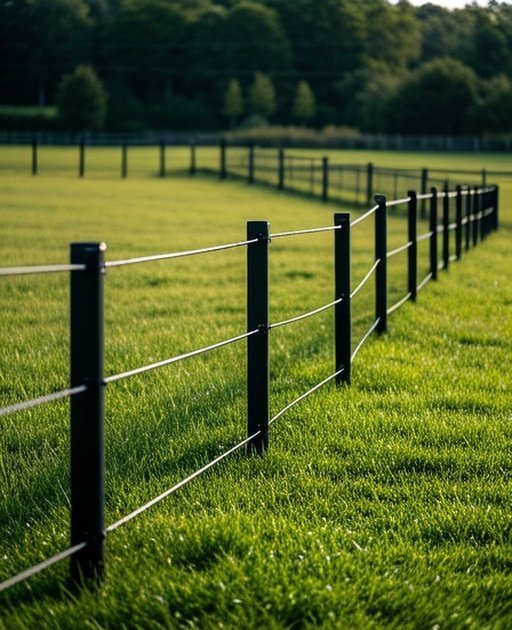
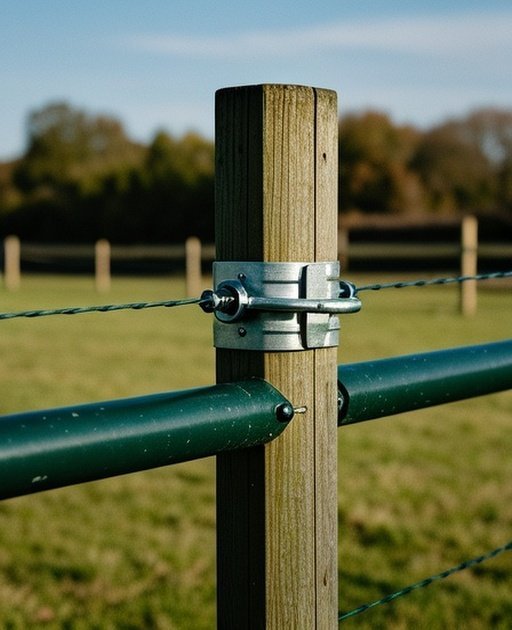
Composite and flexible fencing systems are modern alternatives to traditional wood and wire fences. They are designed to provide strength, safety, and low maintenance while improving long-term durability in farm and ranch environments.
Composite fencing uses materials that combine two or more components to achieve performance characteristics that neither material provides alone. The most common livestock composite fence combines a polymer (plastic or vinyl) outer structure with steel reinforcing — creating posts and rails that resist rot and weathering like plastic while carrying structural loads like steel. Composite fencing for horses and decorative livestock applications has grown significantly as an alternative to board fence that requires painting, resists rot, and doesn't splinter.
Polymer-coated wire fence (vinyl-coated woven wire, PVC-coated barbed wire) is another composite category — standard steel wire with a weather-resistant polymer coating that extends service life in corrosive or high-moisture environments. This coating adds 20–50% to material cost but provides meaningful longevity improvement in coastal areas, high-rainfall climates, or any application where standard galvanized wire corrodes faster than acceptable.
Flexible Rail Fencing: HTP and Polymer Systems
High-tensile polymer (HTP) rail fence — sometimes called Flexrail, Centaur, or similar brand names — uses a flexible polymer-coated high-tensile wire strand shaped as a wide, visible rail. The rails are strung between wooden posts at 4–5 foot height intervals, providing horse-fence visibility with the longevity and low maintenance of high-tensile wire. HTP systems don't splinter, don't need painting, and provide meaningful shock absorption when horses contact the fence — significantly reducing injury compared to board fence.
Installation of HTP and similar flexible rail systems requires proper tension management because the polymer coating expands and contracts with temperature more than steel alone. Most manufacturers specify an installation temperature range and provide tension charts for their specific products. Tensioning outside the recommended range causes either chronic sagging in hot weather or excessive stress and potential breakage in cold weather.
Electric Polytape and Braid for Horse Fencing
Electric polytape (1/2 inch to 1.5 inch wide flat braided conductor) is the preferred high-visibility electric fencing material for horse pastures. The wide tape is easily seen by horses before contact, reducing the panic-and-flight response that occurs when horses contact invisible single-strand wire. Polytape on properly spaced posts at 24 and 48 inches provides adequate horse containment combined with excellent visibility at lower cost than board fence.
Electric braid (round, rope-like braided conductor) offers better durability than flat tape in windy environments where tape vibrates and wears against insulators. Braid also tolerates tangling and rewinding better than tape, which can kink permanently when handled roughly. For permanent horse pasture perimeters with wind exposure, braid over tape is worth the modest cost premium. Both require UV-stabilized material — look for braid and tape rated for outdoor permanent installation, not temporary use.
PVC Board Fence vs Wood Board Fence
PVC (vinyl) board fence offers the aesthetic of traditional white board fence without the maintenance: no painting, no rot, no splinters. A quality vinyl board fence with proper UV stabilization carries a 30–50 year warranty from reputable manufacturers. The tradeoff is higher upfront cost (50–100% more than wood installation for equivalent appearance) and a tendency for UV-degraded cheap PVC to become brittle and shatter on impact rather than flexing like quality vinyl.
Specify vinyl fence with virgin PVC resin rather than recycled content — recycled PVC has inconsistent UV stabilizer content and fails sooner. Board thickness matters: 3/4 inch minimum for rails, 1 inch preferred. Quality vinyl fence sags or breaks at impact points rather than splintering, making it meaningfully safer for horses than wood board fence. The 30-year maintenance-free period justifies the cost premium for any permanent horse facility installation.
Choosing Between Composite and Traditional Fence
The decision between composite (vinyl, polymer, HTP) and traditional (wood, wire) fencing depends on maintenance tolerance, visual goals, budget, and application. Traditional wood board fence requires painting or staining every 3–5 years and post replacement every 20–30 years — time-consuming and ongoing cost. Vinyl fence requires occasional washing but no structural maintenance for 30+ years. For boarding facilities, show properties, or any farm where appearance is a business asset, the maintenance reduction of vinyl justifies the premium.
For purely functional working farm applications — cattle perimeters, sheep paddocks, hog containment — traditional wire and post systems provide containment at far lower material cost. Composite materials provide the strongest value proposition where visual appearance matters and labor cost for ongoing maintenance is high. Calculate the 20-year total cost (materials + labor for maintenance) for each option before committing to traditional systems based solely on lower upfront cost.
What Is Composite Livestock Fencing?
Composite livestock fencing combines recycled plastics, wood fibers, or polymer materials with reinforcing elements to c
If you're fencing a horse boarding or show facility
Horse boarding and show facilities benefit significantly from composite fencing's appearance and safety profile. Board-and-rail vinyl fence along road frontage and arena perimeters provides the professional appearance that attracts clients; HTP or polytape electric in back pastures provides safe, lower-cost containment where aesthetics matter less. This hybrid approach concentrates composite investment where it generates the most business value.
For arena fencing specifically, composite rail fence with smooth surfaces and no protrusions provides the safest containment for horses working near the fence at speed. Standard wood rail fence with protruding bolt heads, rough splinter risks, and board ends at eye height creates injury hazards that composite systems don't share. The premium for composite arena fencing is justified by liability reduction and client confidence.
If you want low-maintenance visible fence for horses
For low-maintenance horse perimeter fencing that combines visibility with safety, 4-strand high-tensile electric with polytape on the top two strands is the most cost-effective option at $1.50–$2.50 per linear foot installed. The tape strands at 24 and 48 inches are clearly visible; the lower strands can be smooth high-tensile wire that's less visible but provides complete fence coverage. Energize all strands to 2,500–4,000 volts for reliable horse deterrence.
Polybraid on the top strand of a woven wire or board fence provides electric deterrence that prevents horses from leaning, chewing, or pushing on the physical fence below — dramatically extending fence life and reducing maintenance. This combination approach gives physical fence backup with electric deterrence, the safest and most durable configuration for high-value horse operations.
If You Need Low-Maintenance Fencing
Composite systems eliminate rot, splinter management, and frequent painting requirements that burden wood fencing owners.
Composite fencing is commonly used at 4–5 feet for horses, with 3–4 horizontal rails providing adequate containment and visibility. Post spacing varies depending on system design and rail flexibility—typically 8–12 feet for standard applications, though some flexible systems may require closer spacing for optimal stability under animal pressure.
Rail spacing must prevent animals from slipping through or getting caught between rails. Bottom rails should be no more than 12 inches above ground for horses and closer for smaller animals. Taller fence heights improve containment but increase material costs proportionally.
Safety Factors
Unlike barbed wire or high tensile wire, composite rails reduce laceration risk through smooth surfaces and impact-absorbing properties. Flexible rails absorb collision energy by bending rather than transferring full impact force to animals, significantly lowering injury rates in equine facilities.
However, damaged or broken components must be repaired immediately to prevent sharp edges or loose rails from becoming hazards. Proper installation and regular inspection maintain safety performance throughout the fence’s service life.
Cost & Maintenance
Upfront costs for composite fencing are higher than wire fencing systems—typically $15–$40 per linear foot installed compared to $1–$6 for wire alternatives. However, reduced maintenance requirements over 20–30 years often make total ownership costs competitive with or lower than wood systems.
There is no staining expense every 2–4 years, minimal board replacement from weather damage, and lower repair costs compared to traditional materials. For lifecycle cost analysis and budgeting tools, see the Fence Cost & Budgeting guide.
Installation Complexity
Composite fence installation typically requires precision post alignment, specialized bracket mounting systems, and attention to manufacturer specifications for proper rail attachment and tension. The work demands careful measurement and moderate carpentry skills.
Some systems use bracket-based rail mounting that increases installation time compared to simple wire stapling but providessuperior strength and adjustability. Professional installation ensures proper technique and system performance. For installation guidance, see the Fence Planning Basics guide.
Legal & Boundary Considerations
Always verify local fence height regulations, setback requirements, and boundary locations before installing permanent composite fencing. Some jurisdictions regulate fence height near roads or property lines, while others may restrict certain materials or colors in historically designated areas.
Shared boundary fences may require neighbor agreement on design and cost sharing. Confirm property lines through survey to avoid disputes or required fence relocation. For legal planning guidance, see the Local Fence Laws & Regulations guide.
Yes for horse properties and high-visibility farms where animal safety and appearance are priorities. Lower maintenance costs offset higher upfront investment over 20–30 year lifespan.
Does composite fencing crack in cold weather?
High-quality systems with proper additives resist cracking, but extreme cold (below -20°F) may affect lower-grade materials—similar to concerns with PVC fencing in cold climates.
UV-resistant composite materials maintain color significantly longer than untreated wood, though some fading may occur over many years depending on product quality and UV protection.
Can composite fencing be electrified?
Some systems allow electrification using proper insulators and mounting hardware, though specific compatibility varies by manufacturer and rail design.
Final Recommendations
Composite and flexible fencing systems are best suited for horse farms, hobby properties, and operations prioritizing animal safety and appearance over minimal initial cost. They offer superior safety performance, excellent durability, and minimal maintenance, but come at higher upfront investment than traditional wire fencing.
Use the linked guides above to compare costs, safety performance, terrain adaptability, and livestock suitability before making your final decision. Proper planning, quality product selection, and professional installation will maximize the value and service life of your composite fence investment.
PVC & Plastic Fencing Guide Overview PVC and plastic fencing systems are popular for farms, horse paddocks, residential rural properties, and perimeter boundaries where appearance,…
Composite livestock fencing typically lasts 20–30 years outdoors when properly installed and maintained. Its longevity comes from resistance to rot, rust, and UV degradation, unlike…
Composite livestock fencing typically costs more upfront than wire fencing and slightly more than basic wood fencing, but less than premium wood systems over time.…