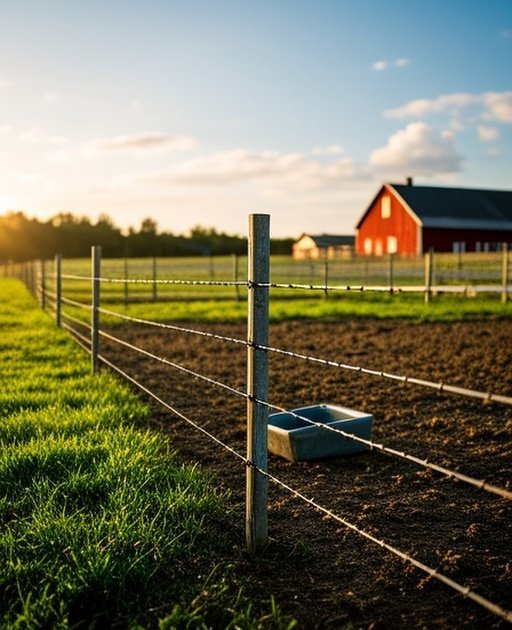
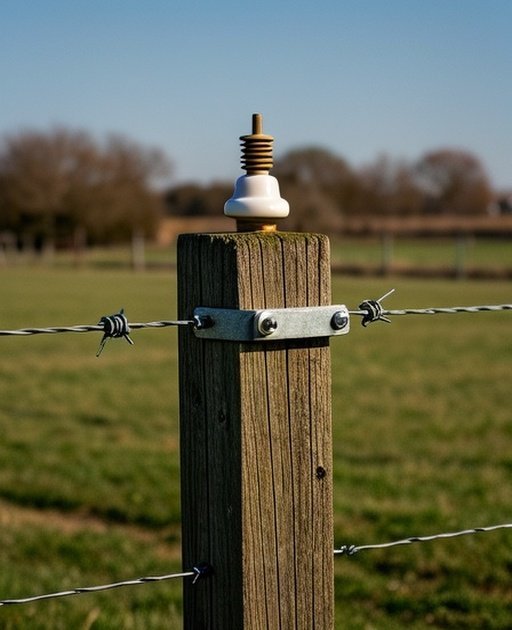
Pig fencing is specifically designed to contain animals that root, push, test boundaries, and exploit weak points in fence lines. Unlike cattle or sheep, pigs challenge fences at ground level, making post stability, bottom wire placement, and soil conditions critical design factors.
YouTube search query: “pasture raised pig electric fencing setup tutorial”
What This Guide Covers
Best Fencing for Pigs and Hogs
Pigs require fencing that handles rooting pressure at the base, lateral pushing force from their muscular shoulders, and enough height to contain sows and boars that can be surprisingly athletic. The most effective permanent pig fencing combines woven wire field fence (6×6 inch spacing or tighter) with a continuous electric wire running 6–8 inches from the ground along the inside of the fence. The electric wire stops pigs from rooting under and pushing against the woven wire, dramatically extending fence life.
For smaller operations and pasture pig systems, a 3-strand electric fence with strands at 6, 14, and 22 inches is a cost-effective alternative to woven wire. Pigs trained to respect electric take the fence seriously, but the system requires consistent energizer maintenance and vegetation management. Commercial hog operations typically use concrete or wood panel barriers for confinement areas with electric for pasture.
Electric Fencing for Swine
Electric fencing is highly effective for pigs because they are sensitive to shock and quickly learn to avoid a hot wire. A 2-strand electric fence at 6 and 14 inches is the minimum for trained adult pigs; add a 22-inch strand for boars and gestating sows that may push fences when restless. Use a minimum 1-joule low-impedance energizer — pigs' thick, dry skin reduces conductivity, requiring adequate shock energy to be effective.
Pigs must be trained to electric fence in a controlled environment before relying on it for containment. Place a single strand in a small, familiar pen and allow pigs to investigate. Once trained, the same animals will respect electric fence reliably for years. Move trained pigs to pasture by first walking them along the energized perimeter before leaving them unsupervised. Never move untrained pigs directly into an electric-only enclosure.
Preventing Rooting Under Fences
Rooting is the primary fence failure mode for pig operations. Pigs follow their instinct to root regardless of feeding and will eventually work under any fence not specifically designed to resist it. The most effective solution is a continuous electric wire or board running 6 inches from the ground along the inside fence line — the shock or physical contact stops rooting behavior before pigs reach the fence.
An alternative is burying woven wire 6–8 inches underground at the base of the fence line, creating a buried apron that stops rooting under. This adds installation cost and labor but eliminates the ongoing management required with electric wire. For temporary pig paddocks, running a strand of electric fence along the ground inside the perimeter at 4–6 inches is the quickest fix.
Pig Fence Height Requirements
Adult pigs rarely jump but can climb or push over short fences. Minimum height for standard breed sows is 32–36 inches; boars require 36–42 inches. Gilts and growing pigs are contained by 30–36 inch fencing. Heritage breeds like Berkshires and Tamworths tend to be more athletic than commercial breeds and may require 42-inch fencing. Farrowing pens and areas with piglets need additional protection from predators at ground level.
Height is less critical than bottom containment for pigs — a 28-inch fence that doesn't allow rooting is more secure than a 48-inch fence with a 6-inch gap at the base. Prioritize bottom-of-fence design over height when choosing fence specifications for swine.
Woven Wire vs Electric for Pigs
Woven wire provides reliable containment without electrical maintenance but requires the addition of an inside electric strand to prevent rooting damage to the wire itself. Budget $4–$6 per linear foot for woven wire with electric offset installed. The system is labor-intensive to install but requires minimal ongoing management once established. It's the preferred choice for permanent pig facilities.
All-electric systems cost 50–70% less to install but require consistent maintenance — vegetation management, monthly voltage testing, and energizer upkeep. They work well for rotational pasture pig systems where portability and low cost outweigh the management overhead. Many pasture pork producers use electric for summer grazing and move pigs to hardened facilities for winter.
Best Fencing for Pigs and Hogs
The most effective pig fencing systems include woven wire, electric, and hybrid designs that combine physical barriers with behavioral deterrents.
For serious rooting problems, the most effective solution is a buried concrete footer or galvanized apron at the fence base combined with an inside electric wire. Pour a 6-inch-wide concrete band along the inside base of the fence, or bury 12-inch galvanized mesh horizontally outward from the fence base. Add the electric offset wire as a secondary deterrent. This combination stops even the most determined rooters.
If infrastructure investment isn't feasible, rotate pigs through paddocks on a schedule that moves them before they concentrate their rooting on fence lines. In temporary paddocks, surround the inside of the fence with a series of large rocks or concrete blocks at the base — this doesn't stop rooting but slows it enough that pigs typically lose interest before creating an escape route.
If You Plan Rotational Grazing
Rotational pigs require portable fencing that moves quickly and contains animals reliably between moves. A 3-strand electric system with step-in posts is the standard solution — the entire system for a 1-acre paddock sets up in under 2 hours and moves in 45 minutes. Solar energizers with sufficient battery backup handle remote paddocks without power access.
Divide total pasture into more paddocks than you think necessary — pigs convert pasture to mud quickly, and adequate recovery time (60–90 days minimum) prevents permanent pasture damage. Many producers find that 8–12 paddocks with 3–4 day rotation intervals balance productivity with pasture health.
If You Need a Low-Cost Setup
For operations with limited upfront budgets, temporary electric fencing can significantly reduce material costs compared
Pig fencing typically ranges from 30–40 inches for most operations, though mature boars may require reinforced lower sections rather than additional height. Bottom wires should be positioned no more than 6 inches above ground to prevent rooting escapes, with tighter spacing than cattle or sheep fencing.
Post spacing should be closer in soft soil to maintain tension—typically 8–10 feet rather than the 12–16 feet used for cattle fencing. For comprehensive height recommendations across different livestock types, see the Fence Height Guide.
Safety Factors
Electric fences for pigs must deliver consistent voltage, usually 3,000–5,000 volts, to effectively deter animals that test boundaries repeatedly. Lower voltage allows pigs to learn they can push through with minimal discomfort.
Avoid sharp protrusions, loose wire ends, or panel edges that can cause injury when pigs push or rub against the fence. Proper grounding is especially critical in muddy conditions where soil moisture varies significantly throughout the season.
Cost & Maintenance
Pig fencing costs vary significantly based on system type, terrain, and labor requirements. Electric fencing reduces upfront material cost per acre but increases ongoing monitoring and maintenance needs compared to permanent woven wire systems.
Long-term costs include post replacement, wire tightening, energizer maintenance, and vegetation control. For detailed breakdowns of material versus labor expenses, consult the Fence Cost Breakdown guide.
Installation Complexity
Woven wire installation for pig fencing is more complex than for other livestock because it requires precise tensioning, strong corner bracing, and tight ground-level spacing. Proper installation demands specialized toolsincluding fence stretchers and tensioning equipment.
Electric systems require energizers, grounding rods, and careful planning around corners and elevation changes. For step-by-step instructions, see the Farm Fence Installation guide and Electric Fence Installation guide.
Legal & Boundary Considerations
Fence liability and boundary laws vary significantly by region, and some jurisdictions have specific requirements for livestock containment that may affect design choices. In many areas, landowners are legally requiredto fence their livestock to prevent trespassing.
Property line disputes can arise if fences are installed too close to boundaries or if shared fence responsibilities are unclear. For planning guidance and legal considerations, refer to the Property Line Fence Placement guide.
Woven wire with a low hot wire is the most secure permanent system, combining physical strength with behavioral deterrence to prevent pushing and rooting.
Pig fencing must prioritize ground-level containment, post stability, and consistent tension to prevent the rooting and pushing behavior that causes most containment failures. For permanent perimeter fencing, woven wire reinforced with electric offset wires provides the highest level of long-term security and requires the least maintenance once properly installed.
For rotational grazing or small-scale systems, temporary electric fencing can be highly effective when voltage is maintained consistently and pigs are properly trained. Choose your system based on soil type, rooting behavior intensity, herd size, budget constraints, and long-term maintenance capacity. Use the linked guides above for detailed material comparisons, cost planning tools, and step-by-step installation methods.
Electric Fence Safety & Voltage Guide Overview Electric fence safety and voltage management are critical for livestock containment, predator deterrence, and human protection. An electric…
Sheep Fencing Guide Overview Sheep fencing is designed to contain sheep safely while protecting them from predators and preventing escape. Because sheep are agile, curious,…
Temporary & Portable Electric Fencing Guide Overview Temporary and portable electric fencing systems are designed for rotational grazing, seasonal paddocks, strip grazing, and short-term livestock…
Explore More Fencing Guides
Find the right fence for your farm — browse by livestock type, material, or project need.