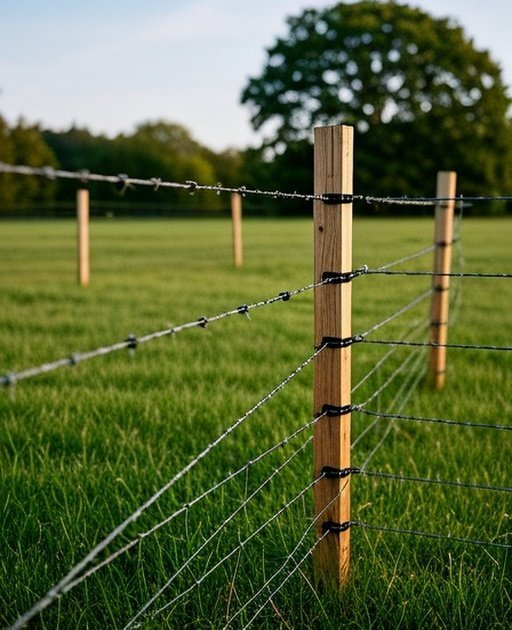
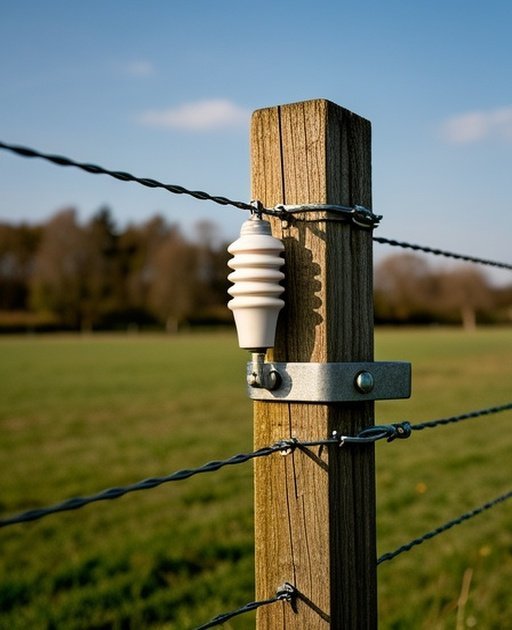
Wildlife and predator fencing is designed to protect livestock, crops, and property from animals such as coyotes, wolves, foxes, bears, and raccoons. Unlike standard livestock fencing, predator fencing must prevent climbing, digging, squeezing, and in some cases jumping.
This guide explains how predator fencing works, which fence types are most effective, how height and wire spacing impact security, and when electric fencing becomes necessary. It is intended for livestock owners, hobby farmers, ranchers, and rural property managers who need perimeter protection.
YouTube search queries: “How to build predator proof fence for livestock” or “Predator proof farm fence installation tutorial”
What This Guide Covers
Coyote-Proof Fencing for Livestock
Coyotes are the primary predator threat for sheep, goats, and poultry across most of North America. Effective coyote exclusion requires addressing their two main entry methods: digging under and squeezing through. A standard coyote-proof perimeter combines woven wire (field fence or no-climb horse fence) at 48 inches tall with an outward-angled apron at the base (12 inches of mesh folded outward at 45 degrees and staked to the ground with landscape staples every 4 feet), and one or two strands of electric wire on the outside at 6 and 12 inches from the ground.
The outward apron stops digging at the fence base — coyotes dig straight down at the fence line rather than starting further out and tunneling under. The apron forces them to dig outward from the fence to get below it, which they typically won't do. Electric offset strands on the outside deter approach and contact with the fence base. This combination stops coyotes in most regions without requiring extremely tall fencing.
Deer Fencing: How High and What Type
White-tailed deer can clear 8-foot fences under ideal conditions, but consistently jump no higher than 6 feet in most situations. The minimum effective deer exclusion fence height is 8 feet for a single vertical fence — 6-foot fences see regular deer crossing under high deer pressure. High-tensile wire deer fencing with 7–8 strands at 8 feet tall is the most cost-effective permanent deer exclusion for large perimeters at $1.50–$3.00 per foot installed.
Deer are reluctant to jump into narrow spaces. A double-fence system with two 4–5 foot fences 3–4 feet apart is effective because deer won't jump a fence they can't see a clear landing zone beyond. This approach uses shorter, less expensive fence but doubles the linear footage. Electric fence systems using multiple offset strands (a wide, angled configuration rather than a single vertical fence) also exploit deer reluctance to approach uncertain barriers.
Bear and Large Predator Fencing
Bears motivated by livestock or beehives will defeat most conventional fencing through climbing or pushing. Electric fence is the most effective bear deterrent — bears are highly sensitive to electric shock and learn quickly to avoid energized barriers. A 5-strand electric bear fence with strands at 6, 12, 20, 28, and 40 inches from the ground, energized to 6,000+ volts, is effective against most black bear activity. Grizzly or brown bear requires higher voltage and more strands.
Bait the electric fence to ensure early learning: spread peanut butter or bacon fat on the fence wire near nose height so investigating bears contact the wire intentionally before they're motivated by livestock smell. A bear that receives a strong initial correction from a baited fence learns the association faster than one that contacts the fence accidentally. Livestock guardian dogs in combination with electric perimeter fence provide the most comprehensive protection against persistent bear activity.
Rabbit and Small Animal Exclusion
Rabbits destroy vegetable gardens and orchards by gnawing bark and consuming seedlings. Effective rabbit exclusion uses 1-inch mesh chicken wire or hardware cloth at least 24 inches tall, with the bottom 6 inches bent outward and buried or staked to prevent digging under. The small mesh size (1 inch or less) prevents rabbits from pushing through, and the height exceeds normal rabbit jump height for cottontails and jackrabbits.
For tree protection in orchards or forest plantings, individual tree guards (18-inch plastic cylinders around each trunk) are more practical than perimeter fencing. Hardware cloth wrapped around individual trees (24 inches tall, 1/4 inch mesh) provides permanent protection against rabbit and vole gnawing without requiring perimeter fence infrastructure. Inspect tree guards annually and expand them as trunk diameter increases.
Mountain Lion and Wolf Deterrence
Mountain lions and wolves represent the most challenging predator fencing scenario because of their size, strength, and climbing or jumping ability. No fence reliably excludes a determined mountain lion — they can climb 12-foot barriers and clear 6-foot fences from standing positions. Livestock guardian dogs are more effective than fence for mountain lion and wolf protection; experienced LGD breeds (Kangal, Anatolian Shepherd, Pyrenees) deter and alert to predator presence.
Night penning in a solid-sided structure (not just fenced) provides the most reliable protection against mountain lion attack during the highest-risk hours. Electric fence with multiple strands and high voltage deters approach and reduces risk but is not a complete solution for large cats. In wolf-occupied ranges, working with state or federal wildlife agencies provides current guidance on legal deterrence methods and available compensation programs for verified losses.
Best Fencing to Keep Predators Out
The best fencing to keep predators out combines physical barriers with behavioral deterrents to address multiple threat types simultaneously.
When active predator losses are occurring, immediate response takes priority over permanent solutions. Deploy portable electric netting around livestock overnight — this stops most coyote and dog activity quickly while permanent solutions are planned. Move vulnerable animals (lambs, kids, poultry) to a secured building at night. Set up a trail camera at the fence perimeter to identify what predator species and what entry point is being used — this information shapes the permanent solution.
Contact your state wildlife agency to determine what legal control options exist for the specific predator involved. Federally protected species (wolves, mountain lions in some states) have specific legal frameworks for livestock protection and compensation that your state agency can explain. Documenting losses with photos, veterinary records, and written incident reports supports any compensation claims.
If you want to protect gardens or orchards
For garden or orchard protection from deer, the most cost-effective option under 1 acre is polypropylene deer netting at 7–8 feet tall supported by fiberglass or wood posts. This system costs $0.50–$1.50 per linear foot and is adequate for most deer pressure levels. For heavy deer pressure or permanent installations, welded wire or woven wire at 8 feet is more durable and effective but costs $3–$6 per linear foot installed.
Deer repellent sprays (egg-based or predator urine products) provide supplemental deterrence for high-value plantings inside the fence perimeter. Apply to fence perimeter plants monthly during the growing season. Combining fence with repellent reduces the consequences of any fence breach while repellent alone is applied.
If Predator Pressure Is High
In areas with persistent predator problems, combining tall woven wire (6–8 feet) with electric offset strands provides b
Fence height must account for jumping ability—coyotes can clear 5 feet, while deer and some predators may require 6–8 feet for reliable exclusion. Wire spacing must prevent squeezing, particularly for foxes and raccoons that can fit through surprisingly small openings.
Lower spacing near ground level is critical because most predators test fences at the bottom first. Spacing should be no more than 4 inches at ground level, gradually increasing toward the top. For comprehensive height and spacing recommendations, see the Fence Height & Spacing guide.
Safety Factors
Electric fencing for wildlife control should use proper grounding and maintain safe voltage levels between 4,000–7,000 volts. Proper grounding is especially critical in dry or rocky soil where conductivity is reduced.
Non-electric woven wire must avoid sharp edges and protruding wire ends that can injure wildlife or livestock. Consider fence visibility to reduce accidental wildlife entanglement—high-tensile smooth wire is less visible than woven mesh and may pose greater collision risks for birds and fast-moving wildlife.
Cost & Maintenance
Predator fencing costs vary significantly depending on material type—woven wire, high-tensile wire, or electric systems each have different cost profiles. Initial material costs represent only part of the total investment, with installation labor often equaling or exceeding material expenses.
Ongoing maintenance includes vegetation control to prevent grounding of electric strands, regular voltage testing to ensure deterrence effectiveness, post inspection for stability, and wire tension checks. For lifecycle cost planning, consult the Fence Cost & Budgeting guide.
Installation Complexity
Buried mesh and electric offset installations increase complexity compared to basic livestock fencing. Rocky soil or sloped terrain requires reinforced bracing, deeper post settings, and potentially specialized equipment like rock drills or powered post drivers.
Electric systems require proper energizer sizing, strategic grounding rod placement, and careful routing to maintain consistent voltage throughout the fence line. For step-by-step installation guidance, see the Farm Fence Installation guide and Electric Fence Installation guide.
Legal & Boundary Considerations
Wildlife fencing may require permits in some regions, particularly for fences over 6 feet or those near protected wildlife corridors. Height limits and wildlife passage laws vary significantly by location and may restrict certain fence configurations.
Property line considerations are important—installing predator fencing too close to boundaries may create disputes or violate setback requirements. For legal planning and compliance guidance, see the Property Line Fence Placement guide.
Most predator fences should be 6–8 feet tall depending on species and terrain. Jumping predators like coyotes and deer require taller structures or electric deterrence at the top.
Can predators dig under fences?
Yes, many predators including foxes, coyotes, and dogs will dig under fencing unless mesh is buried 12–18 inches deep or an outward-facing apron extension is installed at ground level.
Is electric fencing enough for wildlife control?
For coyotes and smaller predators, electric fencing can be highly effective. Bears often require stronger multi-strand high-tensile systems with consistent voltage maintenance above 5,000 volts.
How much does predator fencing cost per acre?
Wildlife and predator fencing costs vary widely depending on material selection, terrain complexity, and installation method—typically ranging from $1.50–$5.00+ per linear foot, making it more expensive than basic livestock fencing.
Does predator fencing require maintenance?
Yes, regular maintenance and inspection are essential to prevent voltage drops in electric systems, vegetation interference, structural weaknesses from weather or animal impact, and ground-level breaches from digging.
Final Recommendations
Wildlife and predator fencing is essential for farms and ranches facing significant predator pressure. It is most suitable for perimeter protection rather than internal livestock division, where standard containment fencing is typically sufficient.
Proper planning, correct fence height for target species, and effective digging prevention measures will determine long-term success. Use the linked guides above for detailed system comparisons, species-specific recommendations, cost planning tools, and installation instructions tailored to your specific predator challenges and property characteristics.
Short Answer Predators that actively test, climb, dig under, or repeatedly probe boundaries—such as coyotes, wolves, dogs, foxes, and bears—generally require electric fencing to be…
Short Answer Yes, electric fencing is both safe and effective for wildlife control when properly installed and maintained. It delivers a brief, non-lethal shock that…
Short Answer Wildlife fencing is designed to deter or redirect wild animals through exclusion or behavior conditioning, while livestock fencing is designed to contain domestic…
Explore More Fencing Guides
Find the right fence for your farm — browse by livestock type, material, or project need.