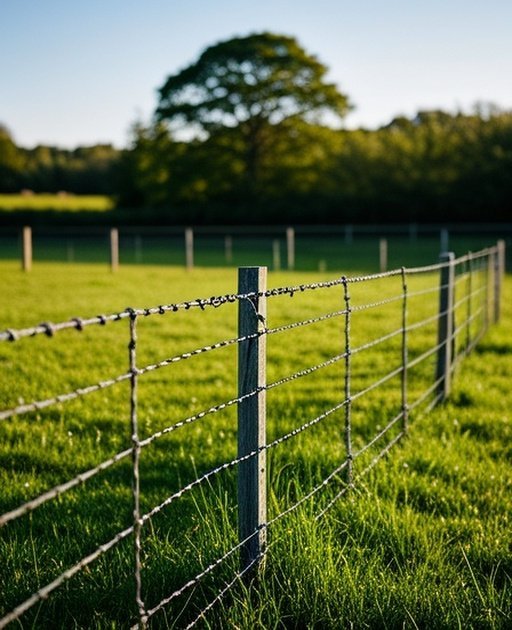
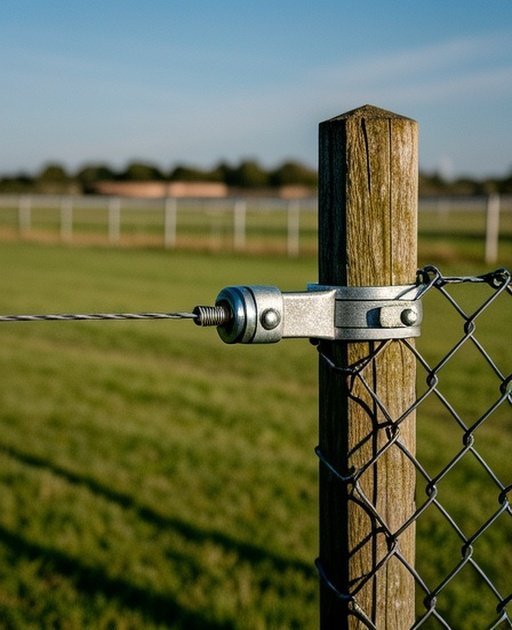
Welded wire mesh fencing is a rigid wire system formed by welding horizontal and vertical wires at each intersection. Unlike woven wire, which flexes under pressure, welded wire maintains its shape and structure, making it ideal for smaller livestock, poultry enclosures, garden protection, and predator-resistant fencing projects.
YouTube search query: “how to install welded wire mesh fence step by step tutorial”
What This Guide Covers
What Is Welded Wire Mesh?
Welded wire mesh consists of individual wire strands welded at each perpendicular intersection, creating a rigid grid structure. Unlike woven wire where strands are mechanically twisted around each other, welded wire joints are fused — creating a fixed, inflexible grid. Common specifications for livestock use include 14-gauge wire with 2×4 inch or 4×4 inch openings, available in rolls from 50 to 100 feet and heights from 24 to 72 inches.
The welded construction gives this fencing its primary advantage: rigid, consistent openings that don't deform under pressure. This makes it superior to chicken wire (which distorts easily) for predator exclusion in small animal enclosures. The welded joints are the system's weakness — sustained lateral pressure from larger livestock can eventually break weld points, making welded wire unsuitable as perimeter livestock containment for cattle, horses, or large goats.
Welded Wire Mesh vs Woven Wire Fence
Welded wire and woven wire serve fundamentally different applications despite similar appearances. Woven wire is designed for large livestock perimeter fencing — flexible enough to handle terrain, tensioned under high load, and strong at the knot connections. Welded wire is designed for small animal enclosures, poultry runs, garden borders, and predator-proof housing — rigid, consistent openings but not designed for sustained livestock pressure.
Cost comparison: welded wire mesh typically costs $0.40–$0.80 per square foot for 14-gauge material, while woven wire field fence runs $0.25–$0.50 per square foot. For small enclosures (poultry runs, rabbit hutches, dog kennels), welded wire's superior predator resistance justifies the modest premium. For large perimeter livestock fencing, woven wire is the correct choice regardless of cost.
Is Welded Wire Good for Chickens and Poultry?
Welded wire mesh in 1×2 inch or 2×4 inch openings is significantly better than standard chicken wire for poultry enclosures. The welded joints resist predator pulling and tearing that easily distorts or creates openings in hexagonal chicken wire. Raccoons, foxes, and domestic dogs cannot tear through properly installed welded wire, whereas these predators routinely destroy chicken wire within hours when motivated by birds inside.
For maximum poultry security, use 1/2-inch hardware cloth (which is a fine welded wire mesh) for any surface where birds are confined overnight or where weasels and mink are present. Weasels and mink can squeeze through 1-inch openings in standard welded wire and have been known to kill entire flocks in a single night. The cost premium for hardware cloth over standard welded wire is worthwhile for high-value birds or high-predator areas.
Best Mesh Size for Predator Protection
Mesh size selection for predator protection depends on the predators present and the animals being protected. For most suburban and rural chicken operations facing raccoons, foxes, and domestic dogs: 1×2 inch welded wire for all surfaces. For areas with weasels, mink, or rats: 1/2-inch hardware cloth is necessary — these animals can compress through surprisingly small openings. For large predators (coyotes, dogs) with larger poultry: 2×4 inch welded wire supplemented with electric is adequate.
Height requirements vary by predator. Raccoons climb well — any enclosure without a complete roof will be accessed by raccoons given enough time. Foxes can clear 6-foot fencing when motivated. A complete welded wire roof over the poultry enclosure is the definitive solution to aerial and climbing predators, combined with buried apron wire preventing digging predators.
Welded Wire Mesh Cost per Foot
Standard welded wire mesh (14-gauge, 2×4 inch openings) costs $0.50–$1.20 per linear foot for 4-foot height, $0.80–$1.80 for 6-foot height. Hardware cloth (1/2-inch welded mesh, 19-gauge) costs $0.80–$1.60 per linear foot for 24-inch height, $1.40–$2.80 for 48-inch. These material costs are for roll stock only; posts, staples, and gates add 30–50% to material cost, and labor adds 50–100% for professional installation.
For small enclosures where the quantity is modest (a 10×20 foot chicken run needs approximately 200 feet of 6-foot fencing plus a roof), the higher cost of quality welded wire or hardware cloth is proportionally small compared to the bird investment it protects. Where cost becomes significant is on larger operations fencing multiple acres — at that scale, woven wire livestock fence is more appropriate than welded wire.
What Is Welded Wire Mesh?
Welded wire mesh is constructed by electrically welding horizontal and vertical wires at every intersection point, creating a rigid grid structure.
For backyard chicken runs and small animal enclosures, the correct investment hierarchy is: spend on quality mesh (1×2 inch welded wire or 1/2-inch hardware cloth), invest in a roof or complete overhead coverage, bury an apron at the base, and install a self-closing latched gate. These four elements address the four primary predator entry methods. Cutting corners on any one element creates a vulnerability that predators will find.
Connect any metal enclosure framework to a ground rod to prevent the structure from conducting electricity during lightning storms — a safety detail overlooked by most DIY builders. Ensure all hardware cloth is stapled with appropriate staple guns (not light office staplers) every 2–4 inches on any surface where predators apply pressure.
If Predator Pressure Is High
In high-predator areas, escalate the entire specification: hardware cloth instead of welded wire on all surfaces, buried apron at the base (12 inches underground in L-shape extending 12 inches outward), complete roof coverage, and add electric fencing around the outside perimeter 6 inches from the ground. The electric adds an early deterrence that stops predators before they attempt to breach the physical barrier.
Inspect the entire enclosure monthly for rust, loose staples, and any ground disturbance indicating digging attempts. Repair immediately — a 2-inch gap left for a week in high-pressure area will be found. Keep the enclosure clear of debris piles and vegetation against the fence that give predators cover while working at the fence.
If You Are Protecting Chickens or Small Animals
Welded wire provides rigid protection that works exceptionally well for poultry and small animal enclosures.
Welded wire mesh fencing is available in various heights ranging from 24 inches for garden protection to 60 inches or more for livestock containment. Poultry fencing typically uses 48–60 inch heights to prevent flight over the fence, while garden fencing may be shorter if only ground animals are a concern.
Mesh opening size determines containment effectiveness and predator resistance—smaller openings increase security but raise material cost. Post spacing typically ranges from 6–10 feet depending on mesh gauge and expected pressure, with closer spacing needed to prevent sagging in high-stress areas.
Safety Factors
Smooth welded intersections reduce injury risk compared to barbed wire, making welded mesh safer for most livestock and poultry applications. However, broken welds or sharp cut edges at panel ends must be addressed immediately to prevent cuts or puncture wounds.
Smaller mesh openings reduce head entrapment risk for curious animals. When cutting welded wire to size, file or cap sharp ends to eliminate injury hazards. Proper mesh sizing for your specific livestock prevents animals from getting heads or limbs caught in openings.
Cost & Maintenance
Welded wire mesh generally costs more than barbed wire but less than heavy fixed-knot woven wire for equivalent coverage. Material costs typically range from $1.00–$2.50 per linear foot for standard galvanized mesh, with PVC-coated or specialty products costing significantly more.
Maintenance primarily involves corrosion inspection at weld points, tightening saggingsections, and replacing damaged panels. Galvanized or PVC-coated options significantly increase longevity in humid or coastal climates. For lifecycle cost planning, see the Fence Cost & Budgeting guide.
Installation Complexity
Welded wire installation is relatively straightforward compared to systems requiring specialized tensioning equipment. The rigid panels maintain their shape during installation, making alignment and attachment easier for DIY projects.
However, corners and gate areas must be reinforced to maintain structural integrity—the rigid nature of welded wire means it cannot flex to accommodate ground irregularities. Posts must be set properly and panels secured at regular intervals to prevent bowing or gaps. For installation guidance, see the Fence Planning Basics guide.
Legal & Boundary Considerations
Local fencing regulations may specify height requirements, setback distances, or construction standards for livestock containment or property boundary fences. Some jurisdictions restrict certain fence types near residential areas or require specific designs adjacent to public roads.
Always verify property boundaries before permanent installation to avoid encroachment disputes. Shared boundary fences may require neighbor agreement on design and cost sharing. For legal planning and compliance guidance, see the Local Fence Laws & Regulations guide.
Welded wire is rigid and maintains its shape well, but it may break at weld points under heavy livestock pressure, while woven wire flexes under load without failing—making woven wire stronger for large livestock applications.
What mesh size is best for predator protection?
½-inch or 1-inch mesh provides better protection against raccoons, weasels, and other small predators that can squeeze through larger openings or reach through to grab poultry.
Can welded wire fence be used for goats?
It can work for small goat enclosures, but may require reinforcement for larger or aggressive animals—woven wire typically performs better for goats that push and climb.
How long does welded wire mesh last?
Galvanized welded mesh can last 10–20 years depending on wire gauge, coating quality, climate conditions, and maintenance practices—PVC-coated options offer superior longevity.
Is welded wire cheaper than woven wire?
Welded wire is often slightly less expensive for small-scale installations, but costs vary based on gauge and mesh size—it is not ideal for large cattle perimeters where woven wire is more cost-effective.
Final Recommendations
Welded wire mesh fencing is best suited for poultry, small livestock, garden protection, and moderate predator resistance applications. It offers structural rigidity and safety for smaller animals but may not withstand heavy livestock pressure from cattle, horses, or large aggressive goats without significant reinforcement.
Use the linked guides above to compare durability, cost, and installation complexity before selecting your fencing system. Proper planning, correct mesh size selection, and attention to ground-level security will maximize the effectiveness and service life of your welded wire fence investment.
Short Answer Welded wire mesh fencing typically lasts 10–25 years outdoors, depending on coating quality, wire gauge, climate exposure, and installation. Galvanized-after-weld mesh lasts longer…
Short Answer For most livestock fencing, 12.5 to 14 gauge welded wire mesh works best, depending on animal size and pressure. Lighter gauges (14–16) suit…
Short Answer The most common problems with welded wire mesh fencing include broken welds, sagging sections, rust, ground gaps, and post failure. These issues usually…
YouTube search query: “how to install welded wire mesh fence step by step tutorial”
YouTube search query: “how to install welded wire mesh fence step by step tutorial”
What This Guide Covers
What Is Welded Wire Mesh?
Welded wire mesh consists of individual wire strands welded at each perpendicular intersection, creating a rigid grid structure. Unlike woven wire where strands are mechanically twisted around each other, welded wire joints are fused — creating a fixed, inflexible grid. Common specifications for livestock use include 14-gauge wire with 2×4 inch or 4×4 inch openings, available in rolls from 50 to 100 feet and heights from 24 to 72 inches.
The welded construction gives this fencing its primary advantage: rigid, consistent openings that don't deform under pressure. This makes it superior to chicken wire (which distorts easily) for predator exclusion in small animal enclosures. The welded joints are the system's weakness — sustained lateral pressure from larger livestock can eventually break weld points, making welded wire unsuitable as perimeter livestock containment for cattle, horses, or large goats.
Welded Wire Mesh vs Woven Wire Fence
Welded wire and woven wire serve fundamentally different applications despite similar appearances. Woven wire is designed for large livestock perimeter fencing — flexible enough to handle terrain, tensioned under high load, and strong at the knot connections. Welded wire is designed for small animal enclosures, poultry runs, garden borders, and predator-proof housing — rigid, consistent openings but not designed for sustained livestock pressure.
Cost comparison: welded wire mesh typically costs $0.40–$0.80 per square foot for 14-gauge material, while woven wire field fence runs $0.25–$0.50 per square foot. For small enclosures (poultry runs, rabbit hutches, dog kennels), welded wire's superior predator resistance justifies the modest premium. For large perimeter livestock fencing, woven wire is the correct choice regardless of cost.
Is Welded Wire Good for Chickens and Poultry?
Welded wire mesh in 1×2 inch or 2×4 inch openings is significantly better than standard chicken wire for poultry enclosures. The welded joints resist predator pulling and tearing that easily distorts or creates openings in hexagonal chicken wire. Raccoons, foxes, and domestic dogs cannot tear through properly installed welded wire, whereas these predators routinely destroy chicken wire within hours when motivated by birds inside.
For maximum poultry security, use 1/2-inch hardware cloth (which is a fine welded wire mesh) for any surface where birds are confined overnight or where weasels and mink are present. Weasels and mink can squeeze through 1-inch openings in standard welded wire and have been known to kill entire flocks in a single night. The cost premium for hardware cloth over standard welded wire is worthwhile for high-value birds or high-predator areas.
Best Mesh Size for Predator Protection
Mesh size selection for predator protection depends on the predators present and the animals being protected. For most suburban and rural chicken operations facing raccoons, foxes, and domestic dogs: 1×2 inch welded wire for all surfaces. For areas with weasels, mink, or rats: 1/2-inch hardware cloth is necessary — these animals can compress through surprisingly small openings. For large predators (coyotes, dogs) with larger poultry: 2×4 inch welded wire supplemented with electric is adequate.
Height requirements vary by predator. Raccoons climb well — any enclosure without a complete roof will be accessed by raccoons given enough time. Foxes can clear 6-foot fencing when motivated. A complete welded wire roof over the poultry enclosure is the definitive solution to aerial and climbing predators, combined with buried apron wire preventing digging predators.
Welded Wire Mesh Cost per Foot
Standard welded wire mesh (14-gauge, 2×4 inch openings) costs $0.50–$1.20 per linear foot for 4-foot height, $0.80–$1.80 for 6-foot height. Hardware cloth (1/2-inch welded mesh, 19-gauge) costs $0.80–$1.60 per linear foot for 24-inch height, $1.40–$2.80 for 48-inch. These material costs are for roll stock only; posts, staples, and gates add 30–50% to material cost, and labor adds 50–100% for professional installation.
For small enclosures where the quantity is modest (a 10×20 foot chicken run needs approximately 200 feet of 6-foot fencing plus a roof), the higher cost of quality welded wire or hardware cloth is proportionally small compared to the bird investment it protects. Where cost becomes significant is on larger operations fencing multiple acres — at that scale, woven wire livestock fence is more appropriate than welded wire.
What Is Welded Wire Mesh?
Welded wire mesh is constructed by electrically welding horizontal and vertical wires at every intersection point, creating a rigid grid structure.
For backyard chicken runs and small animal enclosures, the correct investment hierarchy is: spend on quality mesh (1×2 inch welded wire or 1/2-inch hardware cloth), invest in a roof or complete overhead coverage, bury an apron at the base, and install a self-closing latched gate. These four elements address the four primary predator entry methods. Cutting corners on any one element creates a vulnerability that predators will find.
Connect any metal enclosure framework to a ground rod to prevent the structure from conducting electricity during lightning storms — a safety detail overlooked by most DIY builders. Ensure all hardware cloth is stapled with appropriate staple guns (not light office staplers) every 2–4 inches on any surface where predators apply pressure.
If Predator Pressure Is High
In high-predator areas, escalate the entire specification: hardware cloth instead of welded wire on all surfaces, buried apron at the base (12 inches underground in L-shape extending 12 inches outward), complete roof coverage, and add electric fencing around the outside perimeter 6 inches from the ground. The electric adds an early deterrence that stops predators before they attempt to breach the physical barrier.
Inspect the entire enclosure monthly for rust, loose staples, and any ground disturbance indicating digging attempts. Repair immediately — a 2-inch gap left for a week in high-pressure area will be found. Keep the enclosure clear of debris piles and vegetation against the fence that give predators cover while working at the fence.
If You Are Protecting Chickens or Small Animals
Welded wire provides rigid protection that works exceptionally well for poultry and small animal enclosures.
Welded wire mesh fencing is available in various heights ranging from 24 inches for garden protection to 60 inches or more for livestock containment. Poultry fencing typically uses 48–60 inch heights to prevent flight over the fence, while garden fencing may be shorter if only ground animals are a concern.
Mesh opening size determines containment effectiveness and predator resistance—smaller openings increase security but raise material cost. Post spacing typically ranges from 6–10 feet depending on mesh gauge and expected pressure, with closer spacing needed to prevent sagging in high-stress areas.
Safety Factors
Smooth welded intersections reduce injury risk compared to barbed wire, making welded mesh safer for most livestock and poultry applications. However, broken welds or sharp cut edges at panel ends must be addressed immediately to prevent cuts or puncture wounds.
Smaller mesh openings reduce head entrapment risk for curious animals. When cutting welded wire to size, file or cap sharp ends to eliminate injury hazards. Proper mesh sizing for your specific livestock prevents animals from getting heads or limbs caught in openings.
Cost & Maintenance
Welded wire mesh generally costs more than barbed wire but less than heavy fixed-knot woven wire for equivalent coverage. Material costs typically range from $1.00–$2.50 per linear foot for standard galvanized mesh, with PVC-coated or specialty products costing significantly more.
Maintenance primarily involves corrosion inspection at weld points, tightening saggingsections, and replacing damaged panels. Galvanized or PVC-coated options significantly increase longevity in humid or coastal climates. For lifecycle cost planning, see the Fence Cost & Budgeting guide.
Installation Complexity
Welded wire installation is relatively straightforward compared to systems requiring specialized tensioning equipment. The rigid panels maintain their shape during installation, making alignment and attachment easier for DIY projects.
However, corners and gate areas must be reinforced to maintain structural integrity—the rigid nature of welded wire means it cannot flex to accommodate ground irregularities. Posts must be set properly and panels secured at regular intervals to prevent bowing or gaps. For installation guidance, see the Fence Planning Basics guide.
Legal & Boundary Considerations
Local fencing regulations may specify height requirements, setback distances, or construction standards for livestock containment or property boundary fences. Some jurisdictions restrict certain fence types near residential areas or require specific designs adjacent to public roads.
Always verify property boundaries before permanent installation to avoid encroachment disputes. Shared boundary fences may require neighbor agreement on design and cost sharing. For legal planning and compliance guidance, see the Local Fence Laws & Regulations guide.
Welded wire is rigid and maintains its shape well, but it may break at weld points under heavy livestock pressure, while woven wire flexes under load without failing—making woven wire stronger for large livestock applications.
What mesh size is best for predator protection?
½-inch or 1-inch mesh provides better protection against raccoons, weasels, and other small predators that can squeeze through larger openings or reach through to grab poultry.
Can welded wire fence be used for goats?
It can work for small goat enclosures, but may require reinforcement for larger or aggressive animals—woven wire typically performs better for goats that push and climb.
How long does welded wire mesh last?
Galvanized welded mesh can last 10–20 years depending on wire gauge, coating quality, climate conditions, and maintenance practices—PVC-coated options offer superior longevity.
Is welded wire cheaper than woven wire?
Welded wire is often slightly less expensive for small-scale installations, but costs vary based on gauge and mesh size—it is not ideal for large cattle perimeters where woven wire is more cost-effective.
Final Recommendations
Welded wire mesh fencing is best suited for poultry, small livestock, garden protection, and moderate predator resistance applications. It offers structural rigidity and safety for smaller animals but may not withstand heavy livestock pressure from cattle, horses, or large aggressive goats without significant reinforcement.
Use the linked guides above to compare durability, cost, and installation complexity before selecting your fencing system. Proper planning, correct mesh size selection, and attention to ground-level security will maximize the effectiveness and service life of your welded wire fence investment.
Short Answer Welded wire mesh fencing typically lasts 10–25 years outdoors, depending on coating quality, wire gauge, climate exposure, and installation. Galvanized-after-weld mesh lasts longer…
Short Answer For most livestock fencing, 12.5 to 14 gauge welded wire mesh works best, depending on animal size and pressure. Lighter gauges (14–16) suit…
Short Answer The most common problems with welded wire mesh fencing include broken welds, sagging sections, rust, ground gaps, and post failure. These issues usually…
Explore More Fencing Guides
Find the right fence for your farm — browse by livestock type, material, or project need.